Buy futureskills.eu ?
We are moving the project
futureskills.eu .
Are you interested in purchasing the domain
futureskills.eu ?
domain@kv-gmbh.de · 0541-91531010
Buy futureskills.eu ?
What is the difference between quantitative workforce planning and qualitative workforce planning?
Quantitative workforce planning involves using data and metrics to analyze workforce needs, such as forecasting future staffing requirements based on historical trends and projections. This approach focuses on numbers and statistical analysis to make informed decisions about workforce planning. On the other hand, qualitative workforce planning involves a more subjective analysis that considers factors such as employee skills, attitudes, and behaviors. This approach relies on gathering insights through interviews, surveys, and observations to understand the human aspect of workforce planning. Ultimately, combining both quantitative and qualitative approaches can provide a more comprehensive and effective workforce planning strategy. **
What is the difference between school education and professional career development?
School education focuses on providing students with a broad range of knowledge and skills across various subjects, while professional career development is more specialized and focused on preparing individuals for specific careers or industries. School education typically covers a wide range of subjects, including math, science, language arts, and social studies, while professional career development often involves specialized training, certifications, and hands-on experience in a particular field. Additionally, school education is often more theoretical and academic, while professional career development is more practical and geared towards preparing individuals for the workforce. **

Similar search terms for UDecor-Acanthus-and-Dentil
Top-Angebote
Products related to UDecor-Acanthus-and-Dentil:
-
uDecor Renaissance-style Door Pediment SetAdd Victorian elegance to any door with this Renaissance style door set. This decorative door surround includes two Corinthian capitals, two fluted flat-panel pilasters and an urn frieze over-door panel.263,51 $*Shipping: 0,00 $Secure redirect to the provider




-
Do digital media harm education?
Digital media can have both positive and negative impacts on education. While digital media can provide access to a wealth of information and resources, it can also be a distraction for students and lead to decreased attention spans. Additionally, the constant use of digital media can contribute to a sedentary lifestyle and have negative effects on physical and mental health. It is important for educators and students to find a balance in using digital media for educational purposes while also being mindful of its potential drawbacks. **
-
What is your question about education and training?
My question about education and training is how can we ensure that individuals have access to quality education and training opportunities that are relevant to the demands of the modern workforce? Additionally, how can we make education and training more inclusive and equitable to address disparities in access and outcomes? Finally, how can we better prepare individuals for lifelong learning and upskilling in a rapidly changing world? **
-
What comes after vocational training and further education?
After completing vocational training and further education, individuals can pursue various paths depending on their career goals. They may seek employment in their chosen field, apply for internships or apprenticeships to gain practical experience, or continue their education by pursuing a higher degree or specialized certifications. Additionally, they may also consider starting their own business or seeking mentorship opportunities to further develop their skills and knowledge in their chosen profession. Ultimately, the next steps after vocational training and further education will depend on the individual's career aspirations and the opportunities available in their field. **
-
What is the training for a digital and print media designer?
Training for a digital and print media designer typically involves a combination of formal education and practical experience. Many designers have a bachelor's degree in graphic design, visual communication, or a related field. They also often have experience with design software such as Adobe Creative Suite. In addition to formal education, designers may also benefit from internships or freelance work to gain practical experience and build a portfolio. Continuing education and staying up-to-date with the latest design trends and technology is also important for digital and print media designers. **


What is the training for a media designer digital and print?
Training for a media designer digital and print typically involves a combination of formal education and practical experience. This may include completing a degree or certification program in graphic design, digital media, or a related field. Additionally, gaining hands-on experience through internships or freelance work can help develop skills in areas such as layout design, typography, image editing, and digital marketing. Continuous learning and staying updated on industry trends and software tools are also important for a successful career as a media designer digital and print. **
What is the difference between training and further education?
Training typically refers to specific skill development related to a particular job or task, often provided by an employer or training organization. Further education, on the other hand, usually involves a more formal and structured learning experience beyond the basic level of education, such as pursuing a degree or certification in a specific field. While training focuses on practical skills needed for a specific role, further education aims to deepen knowledge and expertise in a broader subject area. **
Top-Angebote
Products related to UDecor-Acanthus-and-Dentil:
-
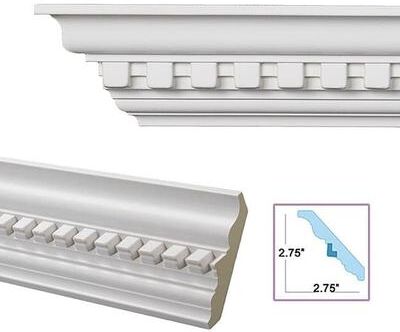
uDecor Acanthus and Dentil 5.5-inch Crown Molding (8 pieces)This elegant dentil crown molding package is going to add style and sophistication to your home. The pieces are primed white and ready for paint or stain. The molding is composed of polyurethane for durability, and can be used outdoors or indoors.239,99 $*Shipping: 0,00 $Secure redirect to the provider
-
uDecor Renaissance-style Door Pediment SetAdd Victorian elegance to any door with this Renaissance style door set. This decorative door surround includes two Corinthian capitals, two fluted flat-panel pilasters and an urn frieze over-door panel.263,51 $*Shipping: 0,00 $Secure redirect to the provider
-
What is the difference between quantitative workforce planning and qualitative workforce planning?
Quantitative workforce planning involves using data and metrics to analyze workforce needs, such as forecasting future staffing requirements based on historical trends and projections. This approach focuses on numbers and statistical analysis to make informed decisions about workforce planning. On the other hand, qualitative workforce planning involves a more subjective analysis that considers factors such as employee skills, attitudes, and behaviors. This approach relies on gathering insights through interviews, surveys, and observations to understand the human aspect of workforce planning. Ultimately, combining both quantitative and qualitative approaches can provide a more comprehensive and effective workforce planning strategy. **
-
What is the difference between school education and professional career development?
School education focuses on providing students with a broad range of knowledge and skills across various subjects, while professional career development is more specialized and focused on preparing individuals for specific careers or industries. School education typically covers a wide range of subjects, including math, science, language arts, and social studies, while professional career development often involves specialized training, certifications, and hands-on experience in a particular field. Additionally, school education is often more theoretical and academic, while professional career development is more practical and geared towards preparing individuals for the workforce. **
-
Do digital media harm education?
Digital media can have both positive and negative impacts on education. While digital media can provide access to a wealth of information and resources, it can also be a distraction for students and lead to decreased attention spans. Additionally, the constant use of digital media can contribute to a sedentary lifestyle and have negative effects on physical and mental health. It is important for educators and students to find a balance in using digital media for educational purposes while also being mindful of its potential drawbacks. **
-
What is your question about education and training?
My question about education and training is how can we ensure that individuals have access to quality education and training opportunities that are relevant to the demands of the modern workforce? Additionally, how can we make education and training more inclusive and equitable to address disparities in access and outcomes? Finally, how can we better prepare individuals for lifelong learning and upskilling in a rapidly changing world? **
Similar search terms for UDecor-Acanthus-and-Dentil
-
What comes after vocational training and further education?
After completing vocational training and further education, individuals can pursue various paths depending on their career goals. They may seek employment in their chosen field, apply for internships or apprenticeships to gain practical experience, or continue their education by pursuing a higher degree or specialized certifications. Additionally, they may also consider starting their own business or seeking mentorship opportunities to further develop their skills and knowledge in their chosen profession. Ultimately, the next steps after vocational training and further education will depend on the individual's career aspirations and the opportunities available in their field. **
-
What is the training for a digital and print media designer?
Training for a digital and print media designer typically involves a combination of formal education and practical experience. Many designers have a bachelor's degree in graphic design, visual communication, or a related field. They also often have experience with design software such as Adobe Creative Suite. In addition to formal education, designers may also benefit from internships or freelance work to gain practical experience and build a portfolio. Continuing education and staying up-to-date with the latest design trends and technology is also important for digital and print media designers. **
-
What is the training for a media designer digital and print?
Training for a media designer digital and print typically involves a combination of formal education and practical experience. This may include completing a degree or certification program in graphic design, digital media, or a related field. Additionally, gaining hands-on experience through internships or freelance work can help develop skills in areas such as layout design, typography, image editing, and digital marketing. Continuous learning and staying updated on industry trends and software tools are also important for a successful career as a media designer digital and print. **
-
What is the difference between training and further education?
Training typically refers to specific skill development related to a particular job or task, often provided by an employer or training organization. Further education, on the other hand, usually involves a more formal and structured learning experience beyond the basic level of education, such as pursuing a degree or certification in a specific field. While training focuses on practical skills needed for a specific role, further education aims to deepen knowledge and expertise in a broader subject area. **
* All prices are inclusive of VAT and, if applicable, plus shipping costs. The offer information is based on the details provided by the respective shop and is updated through automated processes. Real-time updates do not occur, so deviations can occur in individual cases. ** Note: Parts of this content were created by AI.