Buy futureskills.eu ?
We are moving the project
futureskills.eu .
Are you interested in purchasing the domain
futureskills.eu ?
domain@kv-gmbh.de · 0541-91531010
Buy futureskills.eu ?
'besteht?' translates to 'exists?' in English.
"Besteht?" translates to "exists?" in English. This question is used to inquire about the presence or existence of something. It is often used to confirm whether something is real or present in a particular situation. For example, "Besteht dieses Problem?" translates to "Does this problem exist?" **
'kommt?' translates to 'coming?' in English.
"Kommt?" is a question in German that translates to "coming?" in English. It is used to inquire about someone's arrival or presence at a certain place or event. The question is often used to confirm if someone is on their way or if they plan to attend a specific location or gathering. **

Similar search terms for Translates
Top-Angebote
Products related to Translates:
-
Uplifted Finds Interactive Ring Toss Training System Professional Early Education & Pediatric Fitness Infrastructure Interactive Ring Toss Training System Professional Early Education & Pediatric Fitness InfrastructureCommand ultimate developmental confidence with the Interactive Ring Toss Training System, a highperformance educational solution specifically engineered to act as a comprehensive tool for elite organization and superior technical ergonomics. Built...52,97 $*Shipping: 0,00 $Secure redirect to the provider
-
Logitech Crayon for Education USB-C Digital Pencil for iPad - Classic Blue (914-000080)This Bluetooth-enabled stylus is compatible with a wide range of iPad models including iPad Pro, iPad Air, and iPad mini. Key features include tilt sensitivity, palm rejection technology, rechargeable battery, and 1.2-meter drop protection. The device weighs just 20 grams and comes with a 3-year warranty.101,99 £*Shipping: 0,00 £Secure redirect to the provider
-
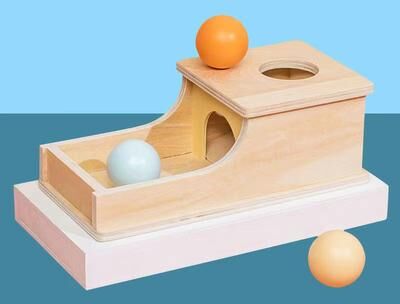
Tiny Tots Teens Trends Drawer Game Early Education Montessori Wooden Pitch Ball Box Preschool Learning Training Toy Drawer Game Early Education Montessori Wooden Pitch Ball Box Preschool Learning Training ToyThis Montessori Wooden Pitch Ball Box Drawer Game is a thoughtfully designed earlyeducation toy that transforms playtime into purposeful learning. Crafted for toddlers and preschoolers, it offers a handson, engaging way to support key developmental...39,97 $*Shipping: 0,00 $Secure redirect to the provider
-
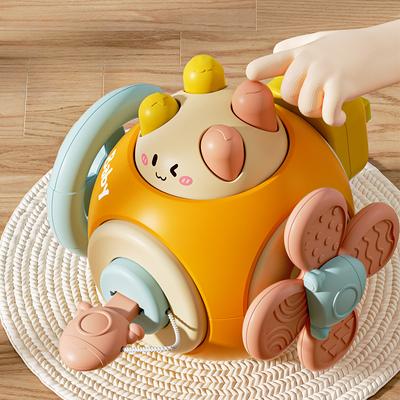
Tiny Tots Teens Trends Montessori Baby Training, Infant Puzzle Early Education Toys, Busy Hand Grasping Ball For Baby Montessori Baby Training, Infant Puzzle Early Education Toys, Busy Hand Grasping Ball For BabyIntroduce Your Baby to the World of Learning The Infant Puzzle Early Education Toys are designed to foster cognitive and physical development in your little one. This Multifunctional Busy Ball for Montessori Baby Training is ideal for enhancing...79,97 $*Shipping: 0,00 $Secure redirect to the provider


-
'sieht?' translates to 'looks?' in English.
''Sieht?'' is a question in German that translates to ''looks?'' in English. It is often used to inquire about the appearance or visual perception of something. This question prompts the listener to provide their opinion or observation regarding what they see. **
-
'aus?' translates to 'out?' in English.
''aus?'' is a German word that translates to ''out?'' in English. It is commonly used to inquire if someone is leaving or going out of a place. The question mark at the end indicates that it is a question. **
-
'kann?' translates to 'can?' in English.
Yes, "kann?" translates to "can?" in English. It is a simple question in both languages that is used to inquire about someone's ability or permission to do something. The word "kann" is the conjugated form of the German verb "können," which means "to be able to" or "can." Similarly, "can" is the modal verb in English used to express ability or permission. **
-
'dunklen?' translates to 'dark?' in English.
Yes, "dunklen?" translates to "dark?" in English. The word "dunklen" is the accusative form of the adjective "dunkel" in German, and it is used to inquire about the darkness of something. In English, the question mark at the end indicates that the speaker is asking if something is dark or if a situation is unclear or mysterious. **
'Fragt' translates to 'ask' in English.
In German, the word 'fragt' translates to 'ask' in English. It is the imperative form of the verb 'fragen,' which means 'to ask.' So, 'fragt' is used to give a command or request for someone to ask a question or inquire about something. For example, "Fragt ihn, ob er heute Abend kommen kann" translates to "Ask him if he can come tonight." **
'ausgeht?' translates to 'going out?' in English.
"Ausgeht?" is a question in German that translates to "going out?" in English. It is commonly used to ask someone if they are planning to go out or if they have plans to leave their current location. This question can be used in various contexts, such as asking about social plans, evening activities, or simply inquiring about someone's intentions to leave a place. **
Top-Angebote
Products related to Translates:
-
Perfect Picks Market Geometric Building Blocks Set For Kids Early Education Intelligence Development Toy Geometric Building Blocks Set For Kids Early Education Intelligence Development ToyUnlock your child's potential with this early education equipment designed to stimulate creativity and intelligence! This geometric set is the perfect building block toy for boys, helping to develop problemsolving skills while having fun. The...35,97 $*Shipping: 0,00 $Secure redirect to the provider
-
Uplifted Finds Interactive Ring Toss Training System Professional Early Education & Pediatric Fitness Infrastructure Interactive Ring Toss Training System Professional Early Education & Pediatric Fitness InfrastructureCommand ultimate developmental confidence with the Interactive Ring Toss Training System, a highperformance educational solution specifically engineered to act as a comprehensive tool for elite organization and superior technical ergonomics. Built...52,97 $*Shipping: 0,00 $Secure redirect to the provider
-
Logitech Crayon for Education USB-C Digital Pencil for iPad - Classic Blue (914-000080)This Bluetooth-enabled stylus is compatible with a wide range of iPad models including iPad Pro, iPad Air, and iPad mini. Key features include tilt sensitivity, palm rejection technology, rechargeable battery, and 1.2-meter drop protection. The device weighs just 20 grams and comes with a 3-year warranty.101,99 £*Shipping: 0,00 £Secure redirect to the provider
-
'besteht?' translates to 'exists?' in English.
"Besteht?" translates to "exists?" in English. This question is used to inquire about the presence or existence of something. It is often used to confirm whether something is real or present in a particular situation. For example, "Besteht dieses Problem?" translates to "Does this problem exist?" **
-
'kommt?' translates to 'coming?' in English.
"Kommt?" is a question in German that translates to "coming?" in English. It is used to inquire about someone's arrival or presence at a certain place or event. The question is often used to confirm if someone is on their way or if they plan to attend a specific location or gathering. **
-
'sieht?' translates to 'looks?' in English.
''Sieht?'' is a question in German that translates to ''looks?'' in English. It is often used to inquire about the appearance or visual perception of something. This question prompts the listener to provide their opinion or observation regarding what they see. **
-
'aus?' translates to 'out?' in English.
''aus?'' is a German word that translates to ''out?'' in English. It is commonly used to inquire if someone is leaving or going out of a place. The question mark at the end indicates that it is a question. **
Similar search terms for Translates
-
Tiny Tots Teens Trends Drawer Game Early Education Montessori Wooden Pitch Ball Box Preschool Learning Training Toy Drawer Game Early Education Montessori Wooden Pitch Ball Box Preschool Learning Training ToyThis Montessori Wooden Pitch Ball Box Drawer Game is a thoughtfully designed earlyeducation toy that transforms playtime into purposeful learning. Crafted for toddlers and preschoolers, it offers a handson, engaging way to support key developmental...39,97 $*Shipping: 0,00 $Secure redirect to the provider
-
Tiny Tots Teens Trends Montessori Baby Training, Infant Puzzle Early Education Toys, Busy Hand Grasping Ball For Baby Montessori Baby Training, Infant Puzzle Early Education Toys, Busy Hand Grasping Ball For BabyIntroduce Your Baby to the World of Learning The Infant Puzzle Early Education Toys are designed to foster cognitive and physical development in your little one. This Multifunctional Busy Ball for Montessori Baby Training is ideal for enhancing...79,97 $*Shipping: 0,00 $Secure redirect to the provider
-
'kann?' translates to 'can?' in English.
Yes, "kann?" translates to "can?" in English. It is a simple question in both languages that is used to inquire about someone's ability or permission to do something. The word "kann" is the conjugated form of the German verb "können," which means "to be able to" or "can." Similarly, "can" is the modal verb in English used to express ability or permission. **
-
'dunklen?' translates to 'dark?' in English.
Yes, "dunklen?" translates to "dark?" in English. The word "dunklen" is the accusative form of the adjective "dunkel" in German, and it is used to inquire about the darkness of something. In English, the question mark at the end indicates that the speaker is asking if something is dark or if a situation is unclear or mysterious. **
-
'Fragt' translates to 'ask' in English.
In German, the word 'fragt' translates to 'ask' in English. It is the imperative form of the verb 'fragen,' which means 'to ask.' So, 'fragt' is used to give a command or request for someone to ask a question or inquire about something. For example, "Fragt ihn, ob er heute Abend kommen kann" translates to "Ask him if he can come tonight." **
-
'ausgeht?' translates to 'going out?' in English.
"Ausgeht?" is a question in German that translates to "going out?" in English. It is commonly used to ask someone if they are planning to go out or if they have plans to leave their current location. This question can be used in various contexts, such as asking about social plans, evening activities, or simply inquiring about someone's intentions to leave a place. **
* All prices are inclusive of VAT and, if applicable, plus shipping costs. The offer information is based on the details provided by the respective shop and is updated through automated processes. Real-time updates do not occur, so deviations can occur in individual cases. ** Note: Parts of this content were created by AI.