Buy futureskills.eu ?
We are moving the project
futureskills.eu .
Are you interested in purchasing the domain
futureskills.eu ?
domain@kv-gmbh.de · 0541-91531010
Buy futureskills.eu ?
What is a monarchy?
A monarchy is a form of government in which a single ruler, usually a king or queen, holds all the power and authority. In a monarchy, the position of the ruler is usually hereditary, meaning it is passed down through a royal family. Monarchies can be absolute, where the ruler has complete control over the government, or constitutional, where the ruler's powers are limited by a constitution or parliament. Monarchies have existed throughout history and can be found in various countries around the world. **
Is monarchy actually illegal?
Monarchy is not inherently illegal, as there are several countries around the world that still have a monarchy as part of their government structure. However, in some countries, the monarchy may be limited in its powers and subject to constitutional or legal restrictions. In other countries, the monarchy may have been abolished or transformed into a ceremonial role. Therefore, the legality of monarchy depends on the specific laws and constitution of each country. **


Similar search terms for Monarchy
Top-Angebote
Products related to Monarchy:
-
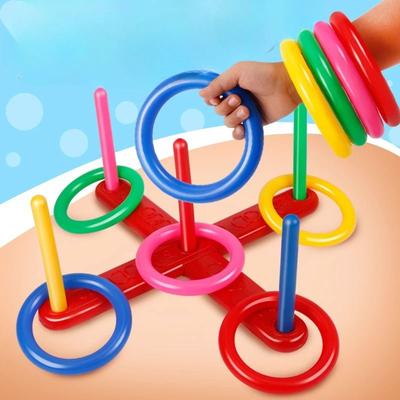
Uplifted Finds Interactive Ring Toss Training System Professional Early Education & Pediatric Fitness Infrastructure Interactive Ring Toss Training System Professional Early Education & Pediatric Fitness InfrastructureCommand ultimate developmental confidence with the Interactive Ring Toss Training System, a highperformance educational solution specifically engineered to act as a comprehensive tool for elite organization and superior technical ergonomics. Built...52,97 $*Shipping: 0,00 $Secure redirect to the provider
-
Logitech Crayon for Education USB-C Digital Pencil for iPad - Classic Blue (914-000080)This Bluetooth-enabled stylus is compatible with a wide range of iPad models including iPad Pro, iPad Air, and iPad mini. Key features include tilt sensitivity, palm rejection technology, rechargeable battery, and 1.2-meter drop protection. The device weighs just 20 grams and comes with a 3-year warranty.101,99 £*Shipping: 0,00 £Secure redirect to the provider
-
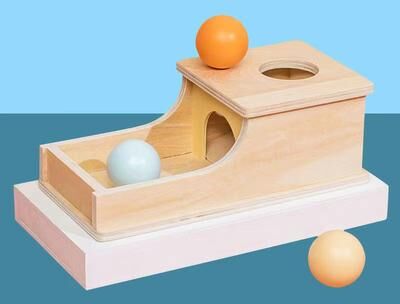
Tiny Tots Teens Trends Drawer Game Early Education Montessori Wooden Pitch Ball Box Preschool Learning Training Toy Drawer Game Early Education Montessori Wooden Pitch Ball Box Preschool Learning Training ToyThis Montessori Wooden Pitch Ball Box Drawer Game is a thoughtfully designed earlyeducation toy that transforms playtime into purposeful learning. Crafted for toddlers and preschoolers, it offers a handson, engaging way to support key developmental...39,97 $*Shipping: 0,00 $Secure redirect to the provider
-
Epson WorkForce WF-2950DWF - multifunction printer - colourEpson WorkForce WF-2950DWF - Multifunction printer - colour - ink-jet - 216 x 297 mm (original) - A4/Letter (media) - up to 10 ppm (printing) - 100 sheets - 33.6 Kbps - USB 2.0, Wi-Fi(n)101,99 £*Shipping: 0,00 £Secure redirect to the provider


-
What is the difference between an elective monarchy and a hereditary monarchy?
An elective monarchy is a system in which the monarch is chosen by a group of individuals, such as nobles or a council, through a process of election. In contrast, a hereditary monarchy is a system in which the monarch's position is passed down through generations within a specific family or bloodline. While in an elective monarchy the ruler is selected based on merit, qualifications, or other criteria, in a hereditary monarchy, the succession is based solely on familial ties and lineage. **
-
What is the difference between a constitutional monarchy and a parliamentary monarchy?
In a constitutional monarchy, the monarch's powers are limited by a constitution, which outlines the monarch's role and responsibilities. The government is usually run by elected officials, and the monarch's role is largely ceremonial. In a parliamentary monarchy, the monarch's powers are even more limited, with the government being run by a parliament and a prime minister. The monarch's role is purely symbolic, with no real political power. **
-
What is the difference between a parliamentary monarchy and a constitutional monarchy?
A parliamentary monarchy is a form of government in which a monarch acts as the head of state, while the day-to-day affairs of the government are managed by a parliament and a prime minister. In this system, the monarch's powers are largely ceremonial and symbolic. On the other hand, a constitutional monarchy is a form of government in which the monarch's powers are limited by a constitution, and the government is run by elected officials. In a constitutional monarchy, the monarch's role is largely ceremonial and symbolic, similar to a parliamentary monarchy, but the powers and limitations are defined by a constitution. **
-
What is the Danube Monarchy? Is it a dual monarchy between Austria and Hungary or a Habsburg monarchy? Need help.
The Danube Monarchy, also known as the Austro-Hungarian Empire, was a dual monarchy between Austria and Hungary. It was established in 1867 after the Austro-Hungarian Compromise, which granted Hungary more autonomy within the empire. The Habsburg monarchy refers to the ruling family of the Austro-Hungarian Empire, as the Habsburgs were the ruling dynasty of both Austria and Hungary. Therefore, the Danube Monarchy can be considered both a dual monarchy between Austria and Hungary and a Habsburg monarchy. **
Is monarchy better than democracy?
The answer to whether monarchy is better than democracy is subjective and depends on individual perspectives. Monarchy can provide stability and continuity, as the ruler is usually in power for life and can make decisions more efficiently. On the other hand, democracy allows for more representation and participation from the citizens, ensuring that the government is more reflective of the people's will. Ultimately, the effectiveness of a monarchy or democracy depends on the specific circumstances and the values of the society in question. **
Is a dictatorship a monarchy?
No, a dictatorship is not the same as a monarchy. In a monarchy, the ruler's power is usually inherited through a royal family, while in a dictatorship, power is typically seized and maintained through force or authoritarian control. Monarchies can have different forms of government, such as constitutional monarchies where the monarch's powers are limited by a constitution, while dictatorships are characterized by the concentration of power in the hands of a single individual or a small group. **
Top-Angebote
Products related to Monarchy:
-
Perfect Picks Market Geometric Building Blocks Set For Kids Early Education Intelligence Development Toy Geometric Building Blocks Set For Kids Early Education Intelligence Development ToyUnlock your child's potential with this early education equipment designed to stimulate creativity and intelligence! This geometric set is the perfect building block toy for boys, helping to develop problemsolving skills while having fun. The...35,97 $*Shipping: 0,00 $Secure redirect to the provider
-
Uplifted Finds Interactive Ring Toss Training System Professional Early Education & Pediatric Fitness Infrastructure Interactive Ring Toss Training System Professional Early Education & Pediatric Fitness InfrastructureCommand ultimate developmental confidence with the Interactive Ring Toss Training System, a highperformance educational solution specifically engineered to act as a comprehensive tool for elite organization and superior technical ergonomics. Built...52,97 $*Shipping: 0,00 $Secure redirect to the provider
-
Logitech Crayon for Education USB-C Digital Pencil for iPad - Classic Blue (914-000080)This Bluetooth-enabled stylus is compatible with a wide range of iPad models including iPad Pro, iPad Air, and iPad mini. Key features include tilt sensitivity, palm rejection technology, rechargeable battery, and 1.2-meter drop protection. The device weighs just 20 grams and comes with a 3-year warranty.101,99 £*Shipping: 0,00 £Secure redirect to the provider
-
What is a monarchy?
A monarchy is a form of government in which a single ruler, usually a king or queen, holds all the power and authority. In a monarchy, the position of the ruler is usually hereditary, meaning it is passed down through a royal family. Monarchies can be absolute, where the ruler has complete control over the government, or constitutional, where the ruler's powers are limited by a constitution or parliament. Monarchies have existed throughout history and can be found in various countries around the world. **
-
Is monarchy actually illegal?
Monarchy is not inherently illegal, as there are several countries around the world that still have a monarchy as part of their government structure. However, in some countries, the monarchy may be limited in its powers and subject to constitutional or legal restrictions. In other countries, the monarchy may have been abolished or transformed into a ceremonial role. Therefore, the legality of monarchy depends on the specific laws and constitution of each country. **
-
What is the difference between an elective monarchy and a hereditary monarchy?
An elective monarchy is a system in which the monarch is chosen by a group of individuals, such as nobles or a council, through a process of election. In contrast, a hereditary monarchy is a system in which the monarch's position is passed down through generations within a specific family or bloodline. While in an elective monarchy the ruler is selected based on merit, qualifications, or other criteria, in a hereditary monarchy, the succession is based solely on familial ties and lineage. **
-
What is the difference between a constitutional monarchy and a parliamentary monarchy?
In a constitutional monarchy, the monarch's powers are limited by a constitution, which outlines the monarch's role and responsibilities. The government is usually run by elected officials, and the monarch's role is largely ceremonial. In a parliamentary monarchy, the monarch's powers are even more limited, with the government being run by a parliament and a prime minister. The monarch's role is purely symbolic, with no real political power. **
Similar search terms for Monarchy
-
Tiny Tots Teens Trends Drawer Game Early Education Montessori Wooden Pitch Ball Box Preschool Learning Training Toy Drawer Game Early Education Montessori Wooden Pitch Ball Box Preschool Learning Training ToyThis Montessori Wooden Pitch Ball Box Drawer Game is a thoughtfully designed earlyeducation toy that transforms playtime into purposeful learning. Crafted for toddlers and preschoolers, it offers a handson, engaging way to support key developmental...39,97 $*Shipping: 0,00 $Secure redirect to the provider
-
Epson WorkForce WF-2950DWF - multifunction printer - colourEpson WorkForce WF-2950DWF - Multifunction printer - colour - ink-jet - 216 x 297 mm (original) - A4/Letter (media) - up to 10 ppm (printing) - 100 sheets - 33.6 Kbps - USB 2.0, Wi-Fi(n)101,99 £*Shipping: 0,00 £Secure redirect to the provider
-
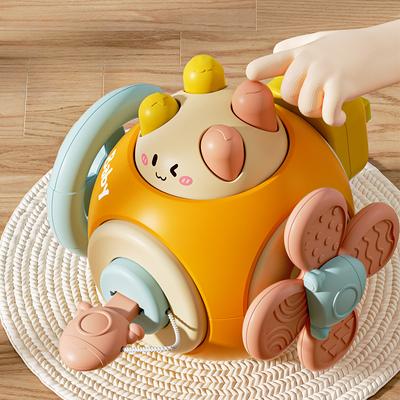
Tiny Tots Teens Trends Montessori Baby Training, Infant Puzzle Early Education Toys, Busy Hand Grasping Ball For Baby Montessori Baby Training, Infant Puzzle Early Education Toys, Busy Hand Grasping Ball For BabyIntroduce Your Baby to the World of Learning The Infant Puzzle Early Education Toys are designed to foster cognitive and physical development in your little one. This Multifunctional Busy Ball for Montessori Baby Training is ideal for enhancing...79,97 $*Shipping: 0,00 $Secure redirect to the provider
-
What is the difference between a parliamentary monarchy and a constitutional monarchy?
A parliamentary monarchy is a form of government in which a monarch acts as the head of state, while the day-to-day affairs of the government are managed by a parliament and a prime minister. In this system, the monarch's powers are largely ceremonial and symbolic. On the other hand, a constitutional monarchy is a form of government in which the monarch's powers are limited by a constitution, and the government is run by elected officials. In a constitutional monarchy, the monarch's role is largely ceremonial and symbolic, similar to a parliamentary monarchy, but the powers and limitations are defined by a constitution. **
-
What is the Danube Monarchy? Is it a dual monarchy between Austria and Hungary or a Habsburg monarchy? Need help.
The Danube Monarchy, also known as the Austro-Hungarian Empire, was a dual monarchy between Austria and Hungary. It was established in 1867 after the Austro-Hungarian Compromise, which granted Hungary more autonomy within the empire. The Habsburg monarchy refers to the ruling family of the Austro-Hungarian Empire, as the Habsburgs were the ruling dynasty of both Austria and Hungary. Therefore, the Danube Monarchy can be considered both a dual monarchy between Austria and Hungary and a Habsburg monarchy. **
-
Is monarchy better than democracy?
The answer to whether monarchy is better than democracy is subjective and depends on individual perspectives. Monarchy can provide stability and continuity, as the ruler is usually in power for life and can make decisions more efficiently. On the other hand, democracy allows for more representation and participation from the citizens, ensuring that the government is more reflective of the people's will. Ultimately, the effectiveness of a monarchy or democracy depends on the specific circumstances and the values of the society in question. **
-
Is a dictatorship a monarchy?
No, a dictatorship is not the same as a monarchy. In a monarchy, the ruler's power is usually inherited through a royal family, while in a dictatorship, power is typically seized and maintained through force or authoritarian control. Monarchies can have different forms of government, such as constitutional monarchies where the monarch's powers are limited by a constitution, while dictatorships are characterized by the concentration of power in the hands of a single individual or a small group. **
* All prices are inclusive of VAT and, if applicable, plus shipping costs. The offer information is based on the details provided by the respective shop and is updated through automated processes. Real-time updates do not occur, so deviations can occur in individual cases. ** Note: Parts of this content were created by AI.