Buy futureskills.eu ?
We are moving the project
futureskills.eu .
Are you interested in purchasing the domain
futureskills.eu ?
domain@kv-gmbh.de · 0541-91531010
Buy futureskills.eu ?
Can our Latin teacher teach Latin?
Yes, it is likely that our Latin teacher can teach Latin. Typically, a Latin teacher would have the necessary knowledge and expertise in the Latin language to effectively teach it to students. Additionally, the teacher would have likely undergone specific training and education in Latin language and literature in order to be qualified to teach it. Therefore, it is reasonable to assume that our Latin teacher can teach Latin. **
Are white Latin Americans privileged in Latin America compared to indigenous Latin Americans?
White Latin Americans are generally privileged in Latin America compared to indigenous Latin Americans. This privilege is often rooted in historical and systemic discrimination, as well as economic and social disparities. White Latin Americans often have better access to education, employment opportunities, and healthcare, while indigenous Latin Americans face higher rates of poverty, marginalization, and discrimination. This inequality is a result of colonial legacies and ongoing social hierarchies that continue to marginalize indigenous communities in many Latin American countries. **

Similar search terms for Latin
Top-Angebote
Products related to Latin:
-
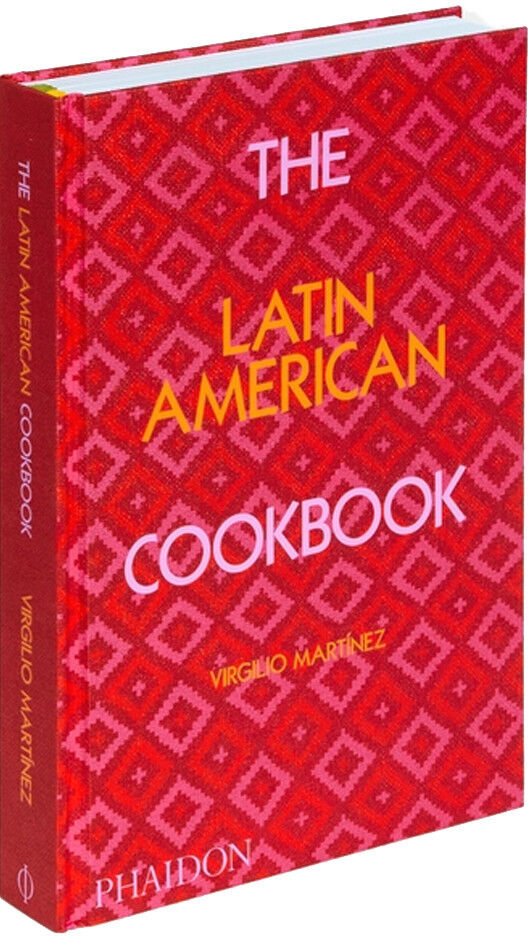
Phaidon Press Ltd The Latin American Cookbook by Virgilio MartinezThe Latin American Cookbook! Rarely has the incredible range of cuisines from Mexico's tropical coasts to the icy islands at the foot of South America been documented as comprehensively as in this collection. Global star chef and Peruvian sensation Virgilio Martínez curates, with a personal deep dive into each region's food culture, culinary delicacies, and local ingredients. The result: more than 600 remarkable recipes that bring to life the vibrancy of Latin America and its myriad influences - indigenous, European, Asian, and beyond. Discover traditional and popular recipes for home cooks from Argentina, Belize, Bolivia, Brazil, Chile, Colombia, Costa Rica, Ecuador, El Salvador, Guatemala, Guyana, Honduras, Mexico, Nicaragua, Panama, Paraguay, Peru, Suriname, Uruguay, and Venezuela, with dishes ranging from iconic - Empanadas, Tamales, Arepas, Tortillas, Quesadillas, and Tacos - to lesser-known specialties - Chilean Disco Fries, Nicaraguan Squash Stew, and Ecuadorian Easter Soup.24,95 £*Shipping: 2,99 £Secure redirect to the provider
-
Uplifted Finds Interactive Ring Toss Training System Professional Early Education & Pediatric Fitness Infrastructure Interactive Ring Toss Training System Professional Early Education & Pediatric Fitness InfrastructureCommand ultimate developmental confidence with the Interactive Ring Toss Training System, a highperformance educational solution specifically engineered to act as a comprehensive tool for elite organization and superior technical ergonomics. Built...52,97 $*Shipping: 0,00 $Secure redirect to the provider
-
Uplift Treasures Latin Music Album Canvas Wall Art Poster 1 40x60cm No FrameProduct Description: Add a modern musical vibe to your space with this Latin music albuminspired canvas poster. Featuring stylish artwork inspired by popular artists like Quevedo, Mora, Feid, Eladio Carrin, and Rauw Alejandro, this highdefinition...57,97 $*Shipping: 0,00 $Secure redirect to the provider


-
What did Latin education look like in the Baroque era?
In the Baroque era, Latin education was highly valued and considered essential for anyone pursuing a career in law, medicine, theology, or academia. Students were taught Latin grammar, syntax, and vocabulary through rigorous memorization and recitation exercises. Latin texts from classical authors like Cicero, Virgil, and Ovid were studied extensively, and students were expected to be able to write and speak in Latin fluently. Latin education was typically reserved for the elite and was often taught in private schools or by private tutors. **
-
What did Latin education look like during the Baroque era?
During the Baroque era, Latin education was highly valued and considered essential for anyone pursuing a career in law, medicine, theology, or academia. Latin was the language of instruction in schools and universities, and students were required to study classical Latin texts, grammar, rhetoric, and poetry. Education was often focused on memorization, recitation, and imitation of classical authors like Cicero, Virgil, and Ovid. Latin education was rigorous and aimed to cultivate eloquence, critical thinking, and a deep understanding of classical literature and philosophy. **
-
How does Classical Latin differ from Vulgar Latin?
Classical Latin is the formal, literary language used by ancient Romans in their writings, speeches, and official documents. It is characterized by its complex grammar, extensive vocabulary, and strict adherence to rules. In contrast, Vulgar Latin was the spoken language used by the common people in everyday conversations. It was simpler, more informal, and had fewer grammatical rules compared to Classical Latin. Over time, Vulgar Latin evolved into the Romance languages such as Italian, French, Spanish, and Portuguese. **
-
Which Latin dictionary?
There are several reputable Latin dictionaries available, including the Oxford Latin Dictionary, Lewis and Short's A Latin Dictionary, and Cassell's Latin Dictionary. The choice of which dictionary to use may depend on personal preference, the specific needs of the user, and the level of detail required. It is recommended to explore different dictionaries and choose the one that best suits your needs and preferences. **


Is Latin useful?
Latin can be useful for several reasons. It is the root of many modern languages, so studying Latin can help improve vocabulary and understanding of grammar. Additionally, Latin is commonly used in scientific, legal, and medical fields, so knowledge of Latin can be beneficial for those pursuing careers in these areas. Finally, studying Latin can also provide insight into ancient Roman culture and history. **
Is Latin unnecessary?
While Latin is no longer a widely spoken language, it still holds value in various fields such as law, medicine, science, and academia. Many English words have Latin roots, making it beneficial for understanding vocabulary and language structure. Additionally, Latin is the official language of the Roman Catholic Church and is used in various ceremonies and documents. Overall, while Latin may not be essential for everyday communication, it still serves a purpose in specific contexts. **
Top-Angebote
Products related to Latin:
-
Perfect Picks Market Geometric Building Blocks Set For Kids Early Education Intelligence Development Toy Geometric Building Blocks Set For Kids Early Education Intelligence Development ToyUnlock your child's potential with this early education equipment designed to stimulate creativity and intelligence! This geometric set is the perfect building block toy for boys, helping to develop problemsolving skills while having fun. The...35,97 $*Shipping: 0,00 $Secure redirect to the provider
-
Mexgrocer The Latin American CookbookThe most comprehensive and varied selection of recipes ever published from one of the most fascinating and diverse regions of the world – under the tutelage of globally renowned Peruvian chef, Virgilio Martínez35,00 £*Shipping: 3,90 £Secure redirect to the provider
-
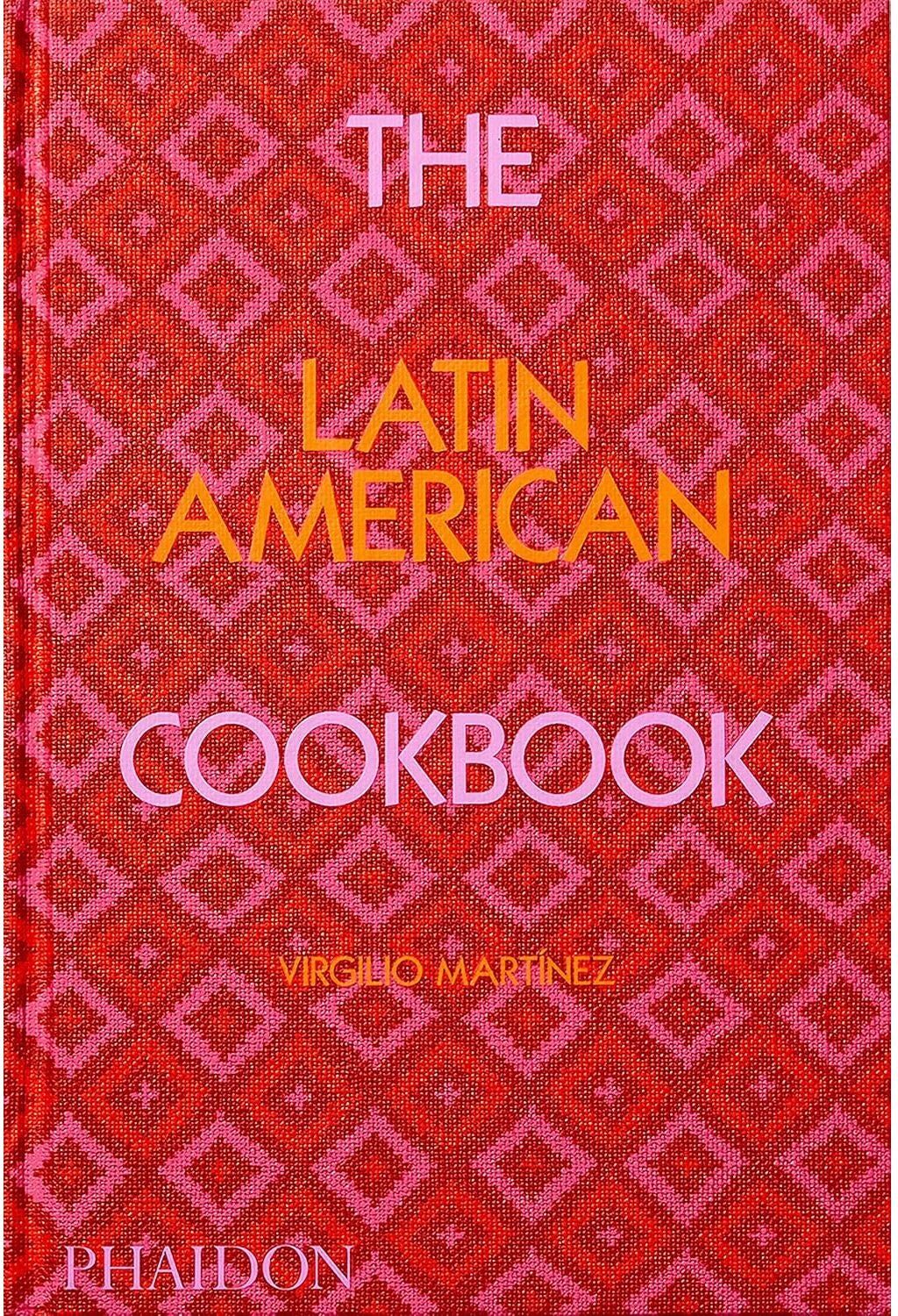
Phaidon Press Ltd The Latin American Cookbook by Virgilio MartinezThe Latin American Cookbook! Rarely has the incredible range of cuisines from Mexico's tropical coasts to the icy islands at the foot of South America been documented as comprehensively as in this collection. Global star chef and Peruvian sensation Virgilio Martínez curates, with a personal deep dive into each region's food culture, culinary delicacies, and local ingredients. The result: more than 600 remarkable recipes that bring to life the vibrancy of Latin America and its myriad influences - indigenous, European, Asian, and beyond. Discover traditional and popular recipes for home cooks from Argentina, Belize, Bolivia, Brazil, Chile, Colombia, Costa Rica, Ecuador, El Salvador, Guatemala, Guyana, Honduras, Mexico, Nicaragua, Panama, Paraguay, Peru, Suriname, Uruguay, and Venezuela, with dishes ranging from iconic - Empanadas, Tamales, Arepas, Tortillas, Quesadillas, and Tacos - to lesser-known specialties - Chilean Disco Fries, Nicaraguan Squash Stew, and Ecuadorian Easter Soup.24,95 £*Shipping: 2,99 £Secure redirect to the provider
-
Can our Latin teacher teach Latin?
Yes, it is likely that our Latin teacher can teach Latin. Typically, a Latin teacher would have the necessary knowledge and expertise in the Latin language to effectively teach it to students. Additionally, the teacher would have likely undergone specific training and education in Latin language and literature in order to be qualified to teach it. Therefore, it is reasonable to assume that our Latin teacher can teach Latin. **
-
Are white Latin Americans privileged in Latin America compared to indigenous Latin Americans?
White Latin Americans are generally privileged in Latin America compared to indigenous Latin Americans. This privilege is often rooted in historical and systemic discrimination, as well as economic and social disparities. White Latin Americans often have better access to education, employment opportunities, and healthcare, while indigenous Latin Americans face higher rates of poverty, marginalization, and discrimination. This inequality is a result of colonial legacies and ongoing social hierarchies that continue to marginalize indigenous communities in many Latin American countries. **
-
What did Latin education look like in the Baroque era?
In the Baroque era, Latin education was highly valued and considered essential for anyone pursuing a career in law, medicine, theology, or academia. Students were taught Latin grammar, syntax, and vocabulary through rigorous memorization and recitation exercises. Latin texts from classical authors like Cicero, Virgil, and Ovid were studied extensively, and students were expected to be able to write and speak in Latin fluently. Latin education was typically reserved for the elite and was often taught in private schools or by private tutors. **
-
What did Latin education look like during the Baroque era?
During the Baroque era, Latin education was highly valued and considered essential for anyone pursuing a career in law, medicine, theology, or academia. Latin was the language of instruction in schools and universities, and students were required to study classical Latin texts, grammar, rhetoric, and poetry. Education was often focused on memorization, recitation, and imitation of classical authors like Cicero, Virgil, and Ovid. Latin education was rigorous and aimed to cultivate eloquence, critical thinking, and a deep understanding of classical literature and philosophy. **
Similar search terms for Latin
-
Uplifted Finds Interactive Ring Toss Training System Professional Early Education & Pediatric Fitness Infrastructure Interactive Ring Toss Training System Professional Early Education & Pediatric Fitness InfrastructureCommand ultimate developmental confidence with the Interactive Ring Toss Training System, a highperformance educational solution specifically engineered to act as a comprehensive tool for elite organization and superior technical ergonomics. Built...52,97 $*Shipping: 0,00 $Secure redirect to the provider
-
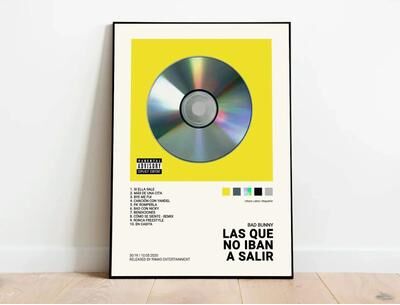
Uplift Treasures Latin Music Album Canvas Wall Art Poster 1 40x60cm No FrameProduct Description: Add a modern musical vibe to your space with this Latin music albuminspired canvas poster. Featuring stylish artwork inspired by popular artists like Quevedo, Mora, Feid, Eladio Carrin, and Rauw Alejandro, this highdefinition...57,97 $*Shipping: 0,00 $Secure redirect to the provider
-
How does Classical Latin differ from Vulgar Latin?
Classical Latin is the formal, literary language used by ancient Romans in their writings, speeches, and official documents. It is characterized by its complex grammar, extensive vocabulary, and strict adherence to rules. In contrast, Vulgar Latin was the spoken language used by the common people in everyday conversations. It was simpler, more informal, and had fewer grammatical rules compared to Classical Latin. Over time, Vulgar Latin evolved into the Romance languages such as Italian, French, Spanish, and Portuguese. **
-
Which Latin dictionary?
There are several reputable Latin dictionaries available, including the Oxford Latin Dictionary, Lewis and Short's A Latin Dictionary, and Cassell's Latin Dictionary. The choice of which dictionary to use may depend on personal preference, the specific needs of the user, and the level of detail required. It is recommended to explore different dictionaries and choose the one that best suits your needs and preferences. **
-
Is Latin useful?
Latin can be useful for several reasons. It is the root of many modern languages, so studying Latin can help improve vocabulary and understanding of grammar. Additionally, Latin is commonly used in scientific, legal, and medical fields, so knowledge of Latin can be beneficial for those pursuing careers in these areas. Finally, studying Latin can also provide insight into ancient Roman culture and history. **
-
Is Latin unnecessary?
While Latin is no longer a widely spoken language, it still holds value in various fields such as law, medicine, science, and academia. Many English words have Latin roots, making it beneficial for understanding vocabulary and language structure. Additionally, Latin is the official language of the Roman Catholic Church and is used in various ceremonies and documents. Overall, while Latin may not be essential for everyday communication, it still serves a purpose in specific contexts. **
* All prices are inclusive of VAT and, if applicable, plus shipping costs. The offer information is based on the details provided by the respective shop and is updated through automated processes. Real-time updates do not occur, so deviations can occur in individual cases. ** Note: Parts of this content were created by AI.