Buy futureskills.eu ?
We are moving the project
futureskills.eu .
Are you interested in purchasing the domain
futureskills.eu ?
domain@kv-gmbh.de · 0541-91531010
Buy futureskills.eu ?
What is an interrogative pronoun?
An interrogative pronoun is a pronoun used to ask questions. These pronouns include words like "who," "whom," "whose," "what," "which," and "whose." They are used to inquire about people, things, or qualities. Interrogative pronouns are essential for forming questions and seeking information in a sentence. **
What are interrogative pronouns in German?
Interrogative pronouns in German are used to ask questions and gather information. They include pronouns such as "wer" (who), "was" (what), "wo" (where), "wann" (when), "warum" (why), and "wie" (how). These pronouns are used at the beginning of a question to inquire about specific details or seek clarification. Interrogative pronouns play a crucial role in forming questions in the German language. **


Similar search terms for Interrogative
Top-Angebote
Products related to Interrogative:
-
Uplifted Finds Interactive Ring Toss Training System Professional Early Education & Pediatric Fitness Infrastructure Interactive Ring Toss Training System Professional Early Education & Pediatric Fitness InfrastructureCommand ultimate developmental confidence with the Interactive Ring Toss Training System, a highperformance educational solution specifically engineered to act as a comprehensive tool for elite organization and superior technical ergonomics. Built...52,97 $*Shipping: 0,00 $Secure redirect to the provider
-
Logitech Crayon for Education USB-C Digital Pencil for iPad - Classic Blue (914-000080)This Bluetooth-enabled stylus is compatible with a wide range of iPad models including iPad Pro, iPad Air, and iPad mini. Key features include tilt sensitivity, palm rejection technology, rechargeable battery, and 1.2-meter drop protection. The device weighs just 20 grams and comes with a 3-year warranty.101,99 £*Shipping: 0,00 £Secure redirect to the provider
-
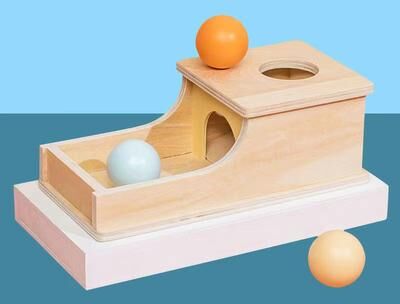
Tiny Tots Teens Trends Drawer Game Early Education Montessori Wooden Pitch Ball Box Preschool Learning Training Toy Drawer Game Early Education Montessori Wooden Pitch Ball Box Preschool Learning Training ToyThis Montessori Wooden Pitch Ball Box Drawer Game is a thoughtfully designed earlyeducation toy that transforms playtime into purposeful learning. Crafted for toddlers and preschoolers, it offers a handson, engaging way to support key developmental...39,97 $*Shipping: 0,00 $Secure redirect to the provider
-
Epson WorkForce WF-2950DWF - multifunction printer - colourEpson WorkForce WF-2950DWF - Multifunction printer - colour - ink-jet - 216 x 297 mm (original) - A4/Letter (media) - up to 10 ppm (printing) - 100 sheets - 33.6 Kbps - USB 2.0, Wi-Fi(n)101,99 £*Shipping: 0,00 £Secure redirect to the provider



-
What is the difference between relative pronouns and interrogative pronouns?
Relative pronouns are used to connect a dependent clause to an independent clause, providing more information about a noun in the independent clause. They include words like "who," "which," and "that." Interrogative pronouns, on the other hand, are used to ask questions and gather information. They include words like "who," "what," "which," "whom," and "whose." The main difference between the two is their function in a sentence - relative pronouns connect clauses, while interrogative pronouns are used to ask questions. **
-
Is there an interrogative word without a w at the beginning?
Yes, there is an interrogative word without a "w" at the beginning. The word "how" is an interrogative word that does not start with a "w." It is used to ask about the manner or method in which something is done. **
-
Is an interrogative sentence a main clause or a subordinate clause?
An interrogative sentence is a main clause. It is a complete sentence that can stand alone and expresses a question. It does not depend on any other clause to make sense and is therefore considered a main clause. **
-
Which interrogative pronoun are you referring to when you mention the attribute?
When mentioning the attribute, I am referring to the interrogative pronoun "which." This pronoun is used to inquire about a specific choice or selection from a group of options. It helps to narrow down the possibilities and identify a particular item or characteristic. **
How do I recognize a relative clause, a conjunctional clause, and an interrogative clause?
A relative clause typically starts with a relative pronoun (such as who, whom, whose, which, or that) and provides more information about a noun in the main clause. A conjunctional clause, on the other hand, is introduced by a conjunction (such as and, but, or because) and connects two independent clauses. An interrogative clause is a type of clause that asks a question and is typically introduced by an interrogative pronoun (such as who, what, when, where, why, or how) or an interrogative adverb (such as how, when, or where). **
How can I recognize a relative clause, a conjunctional clause, and an interrogative clause?
A relative clause is a type of dependent clause that typically starts with a relative pronoun (such as who, whom, whose, which, or that) and provides additional information about a noun in the main clause. A conjunctional clause, on the other hand, is a dependent clause that functions as an adverb, adjective, or noun in a sentence and is connected to the main clause by a conjunction (such as because, although, if, when, etc.). An interrogative clause is a type of clause that asks a question and typically begins with a question word (such as who, what, where, when, why, or how) or with a helping verb followed by the subject. **
Top-Angebote
Products related to Interrogative:
-
Perfect Picks Market Geometric Building Blocks Set For Kids Early Education Intelligence Development Toy Geometric Building Blocks Set For Kids Early Education Intelligence Development ToyUnlock your child's potential with this early education equipment designed to stimulate creativity and intelligence! This geometric set is the perfect building block toy for boys, helping to develop problemsolving skills while having fun. The...35,97 $*Shipping: 0,00 $Secure redirect to the provider
-
Uplifted Finds Interactive Ring Toss Training System Professional Early Education & Pediatric Fitness Infrastructure Interactive Ring Toss Training System Professional Early Education & Pediatric Fitness InfrastructureCommand ultimate developmental confidence with the Interactive Ring Toss Training System, a highperformance educational solution specifically engineered to act as a comprehensive tool for elite organization and superior technical ergonomics. Built...52,97 $*Shipping: 0,00 $Secure redirect to the provider
-
Logitech Crayon for Education USB-C Digital Pencil for iPad - Classic Blue (914-000080)This Bluetooth-enabled stylus is compatible with a wide range of iPad models including iPad Pro, iPad Air, and iPad mini. Key features include tilt sensitivity, palm rejection technology, rechargeable battery, and 1.2-meter drop protection. The device weighs just 20 grams and comes with a 3-year warranty.101,99 £*Shipping: 0,00 £Secure redirect to the provider
-
What is an interrogative pronoun?
An interrogative pronoun is a pronoun used to ask questions. These pronouns include words like "who," "whom," "whose," "what," "which," and "whose." They are used to inquire about people, things, or qualities. Interrogative pronouns are essential for forming questions and seeking information in a sentence. **
-
What are interrogative pronouns in German?
Interrogative pronouns in German are used to ask questions and gather information. They include pronouns such as "wer" (who), "was" (what), "wo" (where), "wann" (when), "warum" (why), and "wie" (how). These pronouns are used at the beginning of a question to inquire about specific details or seek clarification. Interrogative pronouns play a crucial role in forming questions in the German language. **
-
What is the difference between relative pronouns and interrogative pronouns?
Relative pronouns are used to connect a dependent clause to an independent clause, providing more information about a noun in the independent clause. They include words like "who," "which," and "that." Interrogative pronouns, on the other hand, are used to ask questions and gather information. They include words like "who," "what," "which," "whom," and "whose." The main difference between the two is their function in a sentence - relative pronouns connect clauses, while interrogative pronouns are used to ask questions. **
-
Is there an interrogative word without a w at the beginning?
Yes, there is an interrogative word without a "w" at the beginning. The word "how" is an interrogative word that does not start with a "w." It is used to ask about the manner or method in which something is done. **
Similar search terms for Interrogative
-
Tiny Tots Teens Trends Drawer Game Early Education Montessori Wooden Pitch Ball Box Preschool Learning Training Toy Drawer Game Early Education Montessori Wooden Pitch Ball Box Preschool Learning Training ToyThis Montessori Wooden Pitch Ball Box Drawer Game is a thoughtfully designed earlyeducation toy that transforms playtime into purposeful learning. Crafted for toddlers and preschoolers, it offers a handson, engaging way to support key developmental...39,97 $*Shipping: 0,00 $Secure redirect to the provider
-
Epson WorkForce WF-2950DWF - multifunction printer - colourEpson WorkForce WF-2950DWF - Multifunction printer - colour - ink-jet - 216 x 297 mm (original) - A4/Letter (media) - up to 10 ppm (printing) - 100 sheets - 33.6 Kbps - USB 2.0, Wi-Fi(n)101,99 £*Shipping: 0,00 £Secure redirect to the provider
-
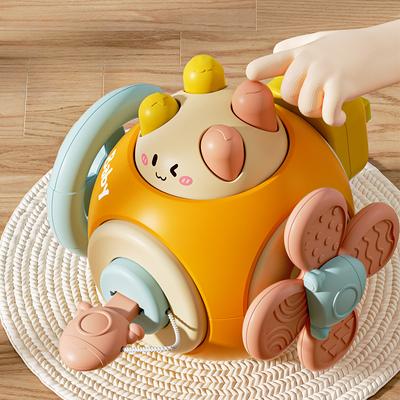
Tiny Tots Teens Trends Montessori Baby Training, Infant Puzzle Early Education Toys, Busy Hand Grasping Ball For Baby Montessori Baby Training, Infant Puzzle Early Education Toys, Busy Hand Grasping Ball For BabyIntroduce Your Baby to the World of Learning The Infant Puzzle Early Education Toys are designed to foster cognitive and physical development in your little one. This Multifunctional Busy Ball for Montessori Baby Training is ideal for enhancing...79,97 $*Shipping: 0,00 $Secure redirect to the provider
-
Is an interrogative sentence a main clause or a subordinate clause?
An interrogative sentence is a main clause. It is a complete sentence that can stand alone and expresses a question. It does not depend on any other clause to make sense and is therefore considered a main clause. **
-
Which interrogative pronoun are you referring to when you mention the attribute?
When mentioning the attribute, I am referring to the interrogative pronoun "which." This pronoun is used to inquire about a specific choice or selection from a group of options. It helps to narrow down the possibilities and identify a particular item or characteristic. **
-
How do I recognize a relative clause, a conjunctional clause, and an interrogative clause?
A relative clause typically starts with a relative pronoun (such as who, whom, whose, which, or that) and provides more information about a noun in the main clause. A conjunctional clause, on the other hand, is introduced by a conjunction (such as and, but, or because) and connects two independent clauses. An interrogative clause is a type of clause that asks a question and is typically introduced by an interrogative pronoun (such as who, what, when, where, why, or how) or an interrogative adverb (such as how, when, or where). **
-
How can I recognize a relative clause, a conjunctional clause, and an interrogative clause?
A relative clause is a type of dependent clause that typically starts with a relative pronoun (such as who, whom, whose, which, or that) and provides additional information about a noun in the main clause. A conjunctional clause, on the other hand, is a dependent clause that functions as an adverb, adjective, or noun in a sentence and is connected to the main clause by a conjunction (such as because, although, if, when, etc.). An interrogative clause is a type of clause that asks a question and typically begins with a question word (such as who, what, where, when, why, or how) or with a helping verb followed by the subject. **
* All prices are inclusive of VAT and, if applicable, plus shipping costs. The offer information is based on the details provided by the respective shop and is updated through automated processes. Real-time updates do not occur, so deviations can occur in individual cases. ** Note: Parts of this content were created by AI.